


In the heart of Malawi, where rhythms once danced through the air and voices rose in unity, one voice now trembles: not with melody, but excruciating pain.
The hospital room is hushed, lit by the faint glow of the sanitorium monitors—A dialysis machine hums steadily—its rhythm replacing the melodies that once sprung from a man who taught himself to clawhammer a guitar with precision.
The air is heavy with the low buzz of machines as tubes snake from his arm on to the blood-filtering apparatus, carrying out the work his kidneys can no longer do.
On the bed lies a legend who gave his country its inimitable sound, a man whose music once filled stadiums and inspired the nation, frail but dignified, his eyes betraying both exhaustion and hope—His voice, once commanding and jubilant, now trembles.

Here, a music lynchpin, who gave Malawi a soundtrack of resilience and hope, a connoisseur, who defined and transformed Malawi’s gospel music from a choral genre into Malawian reggae lies quietly, his body is feeble, but his eyes still carry the fire that once commanded stages and inspired a generation.
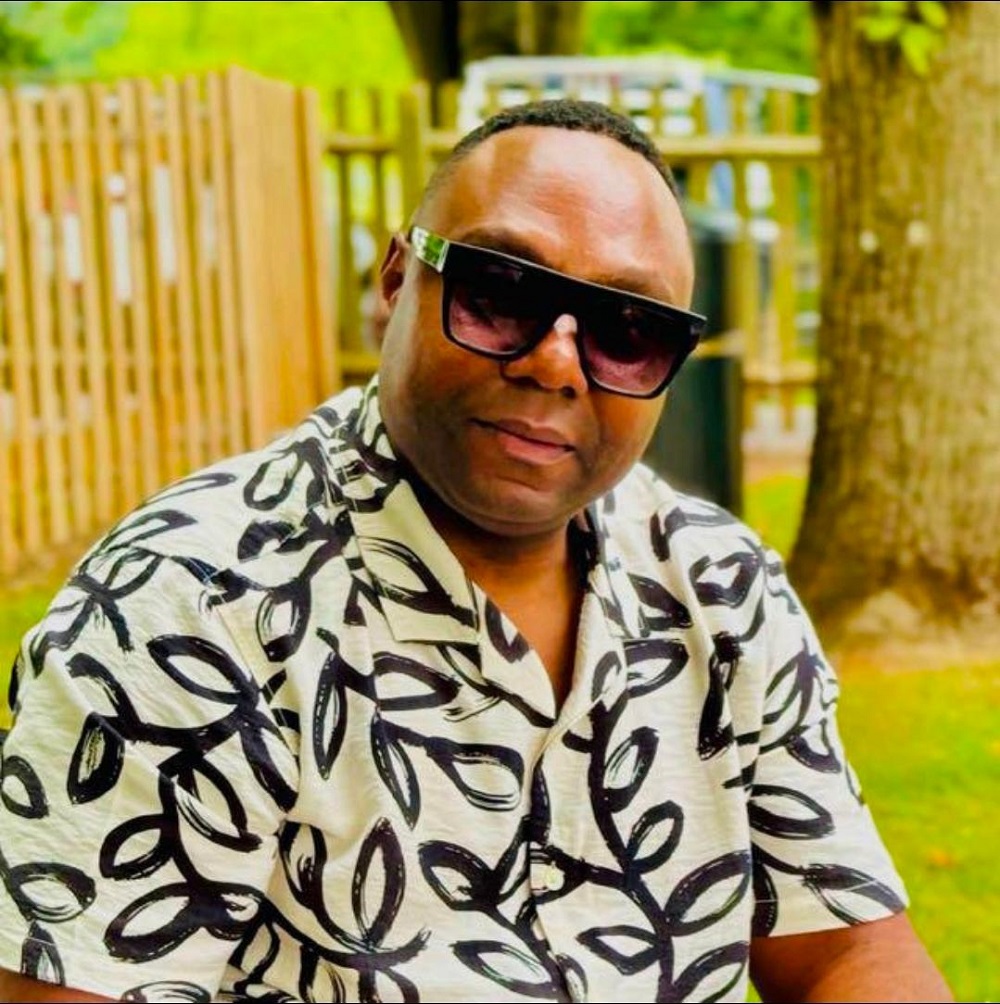
At 62, Paul Banda is undergoing dialysis for kidney failure at Queen Elizabeth Central Hospital in Blantyre—His condition is worsening, and despite a generous offer from a young man willing to donate a kidney—his trip to India for treatment remains stalled.
The delays are not just logistical, they’re emotional. His would-be donor has relocated to Blantyre, incurring costs and waiting in limbo, while Banda’s health deteriorates.
And the cruellest blow of all: his brother Lucius, his lifelong collaborator and protector is gone—with his other two brothers also critically ill—Paul now fights this battle without the one person who always stood beside him.

Paul Banda, the godfather, the architect and the gatekeeper of modern Malawian music, is suffering—his body failing, his soul collapsing and the society heartbreakingly absent.
He made Balaka a music hub and gave the nation its sonic identity, is battling a cruel twist of fate: a failing body, a stalled medical journey, a music industry that has turned its back on its own legend.
Despite the frailty of his body, his spirit remains unbroken.
In an interview from a hospital bed, he recounts: “I am grateful to still be alive.”
“I miss making music and playing it on stage,” he says, a faint smile tugging at his lips. I dream of holding my guitar again, of hearing the crowd sing with me. That dream, keeps me, alive.”
It is this dream—fragile, stubborn, but beautiful—that sustains him.
A silent nation
Paul Banda’s songs carry messages of unity, faith, and social justice, weaving themselves into the fabric of Malawian identity and yet today, this same man who gave so much to his country finds himself fighting for survival
His elongated cry for help has shaken the nation. The recent images of him in tears are awash on social media. His cry is raw and heartbreaking: “My condition is very demanding financially. I cannot do this alone,”

The cost of a kidney transplant abroad is staggering, far beyond what he and his family can afford. His cry has sparked a wave of sympathy—and outrage.
How could a man who gave Malawi its voice be left to beg for his own life?
Others have scorned Paul Banda’s nephew, his late brother, Lucius Banda’s son, Johnny Zembani Banda with disparagement for not looking after his paternal uncle while others have defended the young man for shouldering a huge responsibility left by his father.
However, the majority of people have been silent and inactive.
One Malawi’s distinguished eminent music royalty, Lulu, who recently aroused the need to support the legendary musician by putting forward K1 million followed by Hiphop artist Gwamba, who matched the amount and others chipped in an interview argues.
“To make Sir Paul Banda’s suffering, Johnny Zembani’s and the family’s responsibility is unfair, unjust, unreasonable and pure witchcraft. He is a national treasure.
The Tsogolo ndilowala hitmaker adds: “Paul did not sing for his family; he sang for the entire population and a generation, now the country, the generation he inspired must show up for him.”
Paul Banda is more than a musician. He is the heartbeat of Malawian sound. As the visionary behind the Alleluia Band and Imbirani Yahwe Studios, he shaped a generation, mentoring icons like Lucius Banda, Billy Kaunda, Mlaka Maliro, Charles Sinetre, and Coss Chiwalo.
As a producer, his genius ‘cooked’ Cease Fire, Malawi’s all-time highest‑selling album, with two million copies sold, an anthem that defined an era and most of his songs weren’t just hits; they were calls for national unity, faith, resilience, social justice and hope.
Yet, today, that unity feels fractured, and beyond the sympathy clicks and fleeting outrage, little has changed.
Where is the industry that he built?
Despite his towering influence, his suffering has been met with a deafening silence from the music industry. No organised fundraisers. No tribute concerts. No institutional support.
And, the halls of power, too, remains silent.
The man who gave everything to music now receives nothing from it. He is now a forgotten distant memory, and the music industry, once his family, has not rallied
Social media influencer Onjezani Kenani launched a heartfelt campaign to raise funds, but the fact that such efforts are left to individuals rather than institutions is a damning indictment of the industry’s neglect.
Ethnomusicologist and veteran journalist Waliko Makhala reflects: “Paul Banda’s story is more than illness, it is injustice. A nation lifts its voice with his songs yet turns away from his suffering.”
UK-based music enthusiast, Fides Kachale explains: “Paul Banda’s suffering is not just a personal tragedy. It is a national shame. I grew up on his songs and when I saw that photo of him crying, I cried too.”
“How can we let the man who gave us joy suffer like this?” queries Kachale.
Endowment fund established

Musicians Union of Malawi (MUM) President Vita Chirwa, who is also Kalimba Band leader unequivocally agrees that Sir Banda’s plight exposes a deeper wound: a neglect of national heroes.
Explains Chirwa: “Assisting ailing musicians who have contributed immensely to the development of music in Malawi is an act of honour, gratitude, and moral responsibility.”
However, Chirwa says MUM has established an Endowment Fund, aimed at creating a stable financial base, was launched recently in Blantyre as a sustainable response.
For Paul Banda, once, magnitudes swayed to his anthems of unity and hope, but he fights for breath in a room where applause has been replaced by the hum of dialysis.
The man who once gave Malawi its heartbeat now lies tethered to machines, his body failing where his songs never did—The cruellest note of all resounds: the music world he built has left him to suffer alone.
If music is the soul of a nation, then Paul Banda is its heartbeat. And right now, that heartbeat is fading—Will the Malawi Government, the music industry, the church, and the music aficionados let it stop in silence?
Or will they all finally listen — and act?