


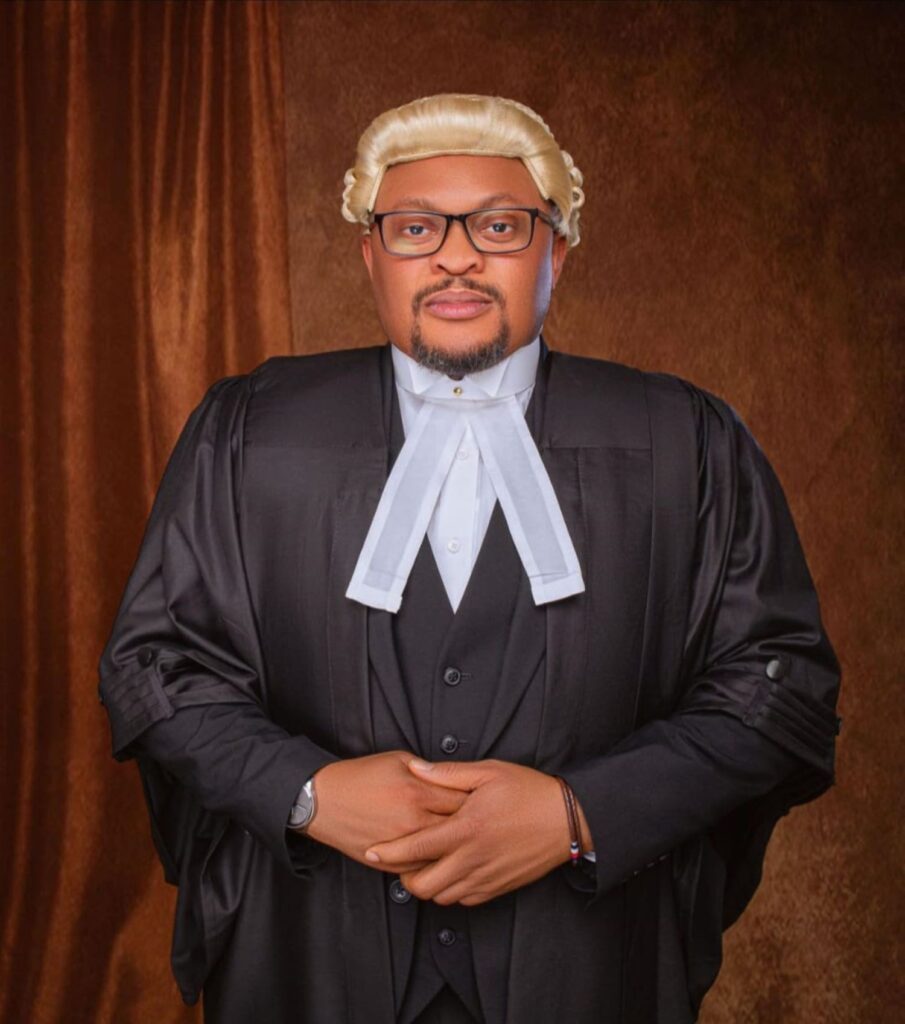
The United Kingdom often describes its immigration system as race-neutral, objective, and rules based. Yet for many African migrants, discrimination does not appear through openly racist language. Instead, it is built into procedures, evidentiary demands, and institutional assumptions, our legal expert, Barrister and Solicitor Vitalis Jude Ngadi reports.
This creates a form of invisible discrimination: one that appears neutral in law but produces unequal outcomes in practice. A major example is the UK “hostile environment” policy, introduced under Theresa May.
Its purpose was to make life so difficult for undocumented migrants that they would leave voluntarily. Immigration checks were extended beyond the Home Office to employers, landlords, banks, universities, hospitals, and driving licence authorities.
Although aimed at undocumented migrants, these checks often affected lawful residents, asylum seekers, refugees, and even British citizens from minority ethnic backgrounds.
For African migrants, these measures are especially burdensome because race and immigration status frequently overlaps. Government analysis has acknowledged that hostile environment policies may disproportionately affect people of colour, including Nigerians and other African nationalities.
This is important because discrimination does not have to be explicit to be harmful. A policy can avoid mentioning race while still producing racially unequal consequences.
The issue is therefore structural rather than individual. Employers conducting “right to work” checks may prefer applicants with British passports because they fear penalties for hiring someone whose immigration documents are unfamiliar or complex.
Landlords carrying out “right to rent” checks may avoid renting to African migrants because they worry about liability if they make a mistake. Similar patterns can occur in banks, universities, and the NHS. These decisions are often defended as administrative caution, but their cumulative effect is exclusion.
African migrants are required to repeatedly prove their legal status in ways that others are not.
This raises serious legal concerns. Under the Equality Act 2010, indirect discrimination occurs when a seemingly neutral policy disproportionately disadvantages people with a protected characteristic such as race.
The issue may also engage Article 14 of the European Convention on Human Rights, which prohibits discrimination in the enjoyment of other Convention rights.
However, proving indirect discrimination is difficult because governments can argue that these policies are justified by immigration control or border security. The challenge is showing that the unequal impact is disproportionate to the stated aim.
The Windrush scandal demonstrated the dangers of this system. Although it mainly affected Caribbean migrants, its lessons apply equally to African communities.
People who had lived lawfully in the UK for decades were denied housing, work, healthcare, and in some cases deported because they could not provide immediate documentary proof of status.
The scandal showed that immigration enforcement does not only affect undocumented migrants. It can also harm lawful residents whose status is poorly recorded, difficult to verify, or administratively complex.
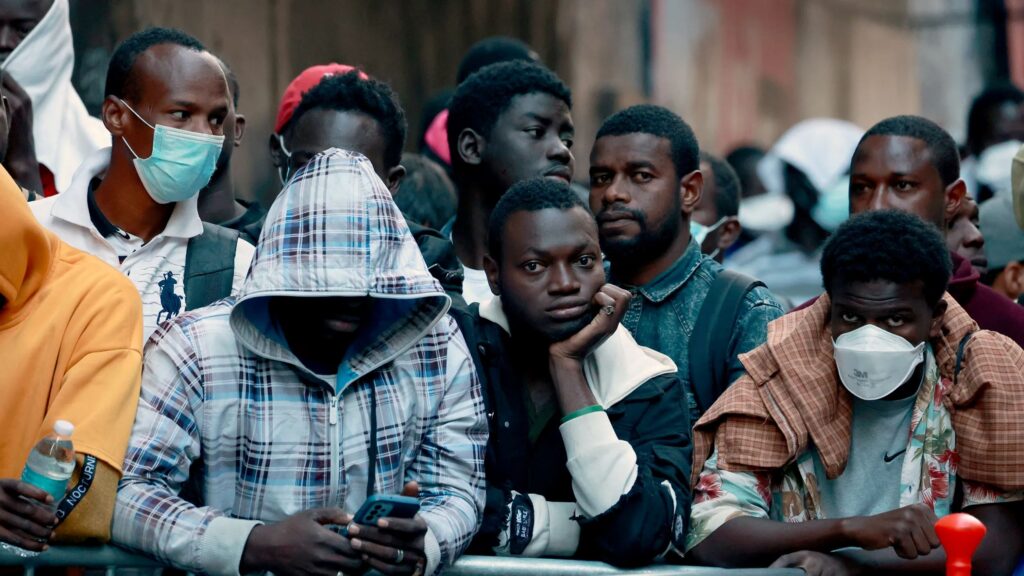
African migrants are especially vulnerable because many enter the UK through routes that involve precarious documentation, such as asylum claims, student visas, temporary work visas, family reunification, or refugee protection.
These routes often require repeated renewals, expensive application fees, and long periods of uncertainty. A person’s status can quickly become precarious because of bureaucratic delays or minor technical errors.
For migrants with limited financial resources, the costs of visa renewals, legal representation, and NHS surcharges make the process even harder.
Recent legal reforms have made the environment more restrictive.
The Nationality and Borders Act 2022 introduced differential treatment between refugees depending on how they arrived in the UK and expanded the government’s power to remove asylum seekers to third countries.
Critics argue that these measures disproportionately affect African migrants because many have limited access to safe and legal routes into the UK.
The Rwanda removals policy pushed this approach further.
Under the scheme, some asylum seekers could be sent to Rwanda for processing or settlement instead of having their claims heard in Britain.
Although the government described the policy as a deterrent against irregular migration, critics argued that it created a two-tier system of refugee protection.
African migrants were placed in a particularly troubling position: they were treated as less deserving of protection and more easily removable.
Political rhetoric also matters.
Public discussion increasingly focuses on “illegal arrivals,” “small boats,” and border control. When migrants are constantly portrayed as threats, employers, landlords, and public institutions become more suspicious of them.
Many African migrants therefore experience fear, insecurity, and mistrust in their dealings with immigration authorities. Even people with lawful status may avoid reporting exploitation, seeking healthcare, or claiming benefits because they fear being reported to the Home Office.
Ultimately, invisible discrimination exists because a formally neutral immigration system can still produce unequal results.
The key issue is not whether UK immigration law openly targets African migrants. It is whether its practical effects place disproportionate burdens on them.
A system can comply with the language of equality while still reinforcing racial inequality in practice.
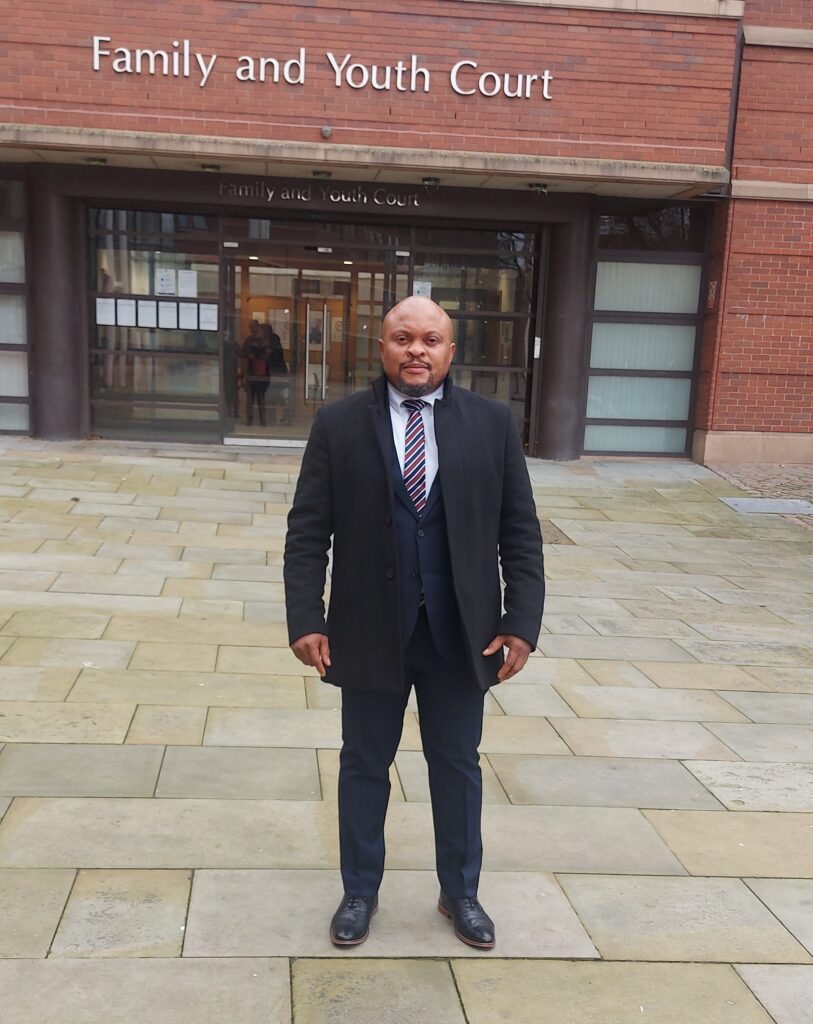
The author, Vitalis Jude Ngadi, is a practising Barrister of the Supreme Court of the Federal Republic of Nigeria and Solicitor of the Higher Courts of England & Wales.