


UK‑based business strategist, youth empowerment campaigner and philanthropist, Rhodrick Junaid Kalumpha has issued a clarion call to Malawi’s young people to become active citizens and take up the work of nation‑building now, and do not leave the future to others.
Speaking from his base in London in the United Kingdom, when he was virtually addressed a group young Malawians, he supports and mentors across the country, community organisers and traditional leaders, Kalumpha framed civic participation as both a duty and a defence — a way to ensure public resources serve the many rather than the few.
Kalumpha said: “If you stand on the sidelines, you hand the keys to the state to those who will not be accountable.”
He warned that the current generation of older politicians will not be around forever, and that the consequences of inaction will fall squarely on the shoulders of the young.
He urged youth to move beyond passive observation and to engage in economic and social development — from local cooperatives and small enterprises to school boards and community health initiatives.
For Kalumpha, civic engagement is not limited to voting; it includes entrepreneurship, volunteerism, community organising and holding leaders to account.
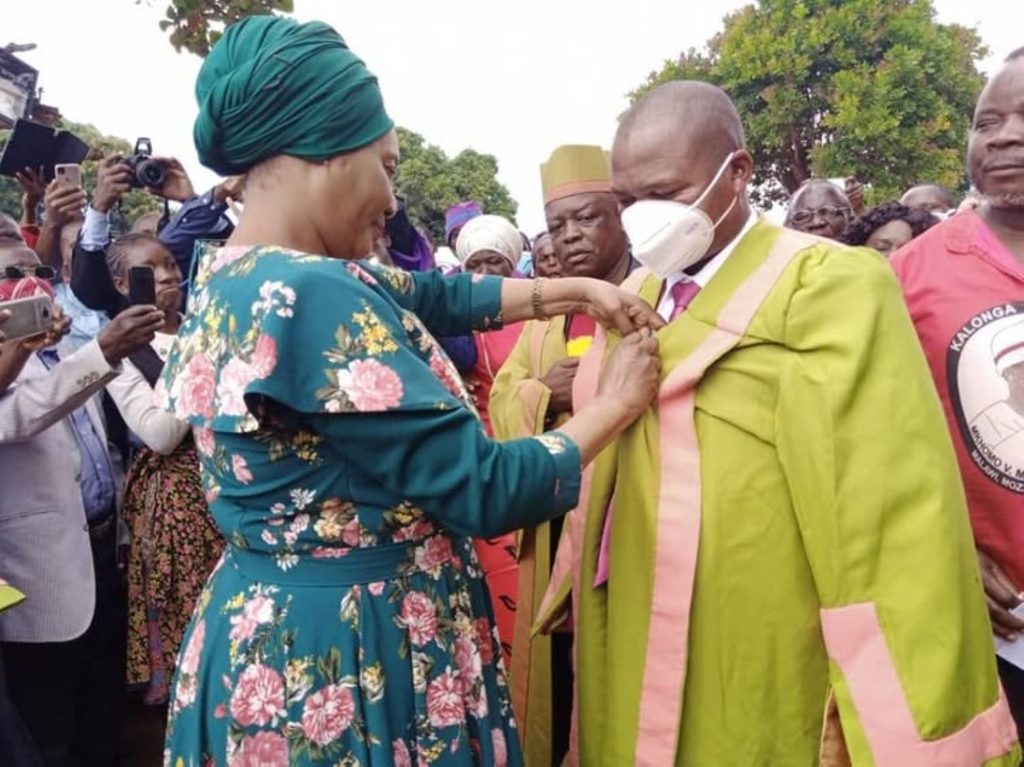
Education and Wellness
At the heart of Kalumpha’s advice is a simple premise: “Education and wellbeing are non‑negotiable.”
Kalumpha challenged young men and women across the country to treat education seriously and encouraged the youth to pursue both formal schooling and practical skills, and to prioritise physical and mental health so they can contribute productively to the country’s development.
“A healthy mind and body are the tools of change,” Kalumpha said. “You cannot lead a community if you are not well enough to show up.”
Kalumpha called for greater investment in youth mental‑health services, sports and community centres that double as safe spaces for civic training and asked traditional leader in the country to support young people to live positively and with health minds and bodies.
“We need our young people to be active, to keep themselves healthy. They (the youth) are the backbone of the country as they are the ones that will take the country to a better place,” he said.
Early Marriages fight
Kalumpha placed special emphasis on girls’ education. “Educating women is educating a generation,” he said, stressing that when girls learn, families and communities prosper.
He singled out lake districts where the fishing economy has created conditions that put children — especially girls — at risk of child labour and early marriage.
Kalumpha has since announced plans to engage traditional leaders in Karonga, Nkhatabay, Chiweta in Rumphi, Nkhotakota, Salima and Mangochi, regions where he says the pressures of the fishing trade have contributed to social harms.
He argued that chiefs, elders and community influencers must be partners in change: protecting children, promoting schooling and creating alternatives to exploitative labour.
Kalumpha has outlined practical steps he wished the youth and young people to take, and these include; community dialogues led by youth and traditional leaders so as to map local challenges and solutions.
He further advised the need for skills’ hubs to be spread across the country that which will combine vocational training with civic education.
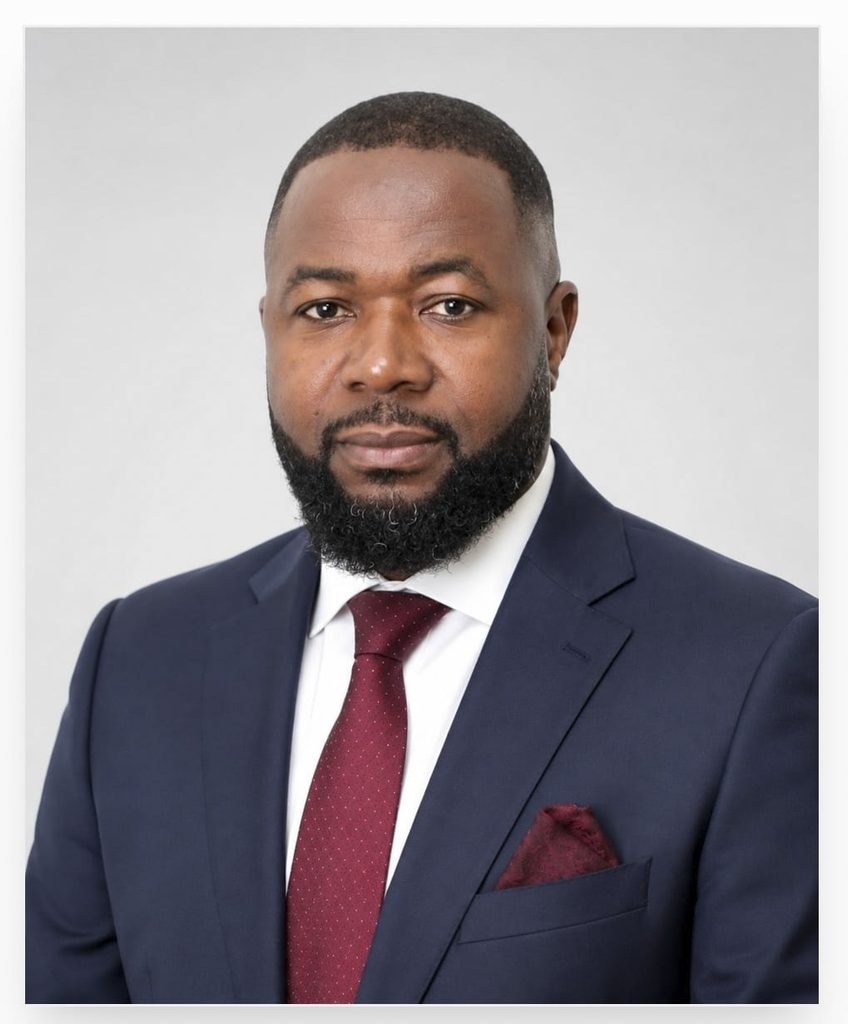
Kalumpha: “I will provide girls’ scholarships and mentorships to keep young women in school and will put in place wellness programmes that will integrate sport, counselling and leadership training. It is also important, I believe, to have local accountability networks that monitor public spending and service delivery.”
He urged young people to start small — a neighbourhood clean‑up, a savings group, a petition for a functioning clinic — and to scale up as momentum builds. “Change is a thousand small acts,” he said.
A Challenge and an invitation
Kalumpha’s tone was equal parts stern and hopeful.
He framed his remarks as both a challenge and an invitation: a challenge to stop tolerating corruption through apathy, and an invitation to build the institutions and habits that will sustain Malawi’s future.
“You are not merely inheritors of a nation,” Kalumpha told virtual audience. “You are its architects. If you do not design the future for yourself, someone else will on your behalf — and you will live with the result and bear the consequences.”
Malawi’s youth — who make up a large share of the population — are often described as both the country’s greatest asset and one of its most under‑used resources.
Low levels of youth participation in public life and development processes weaken democratic accountability, limit economic dynamism and leave communities more vulnerable to corruption and social harms.
Traditional Authority (TA) Mphonde, a senior chief from the Nkhotakota district said in a separate interview that he will support Kalumpha’s initiatives.
“I find what this man is doing to the community as very important and profitable to the nation. We all need to support him.”
Voices from the ground
One of the community organisers, Dalileni Dambulenithanked Kalumpha for his initiative to empower the youth for a better tomorrow.
“This is a great initiative to address and solve the many problems that we face in this country. We have bad and corrupt leaders in this country because we do not have a foundation to breed leaders while they are young.
“You cannot expect good leaders in a place full of youth delinquents as those are the ones that will become the leaders when that tomorrow comes,” said Dambuleni.
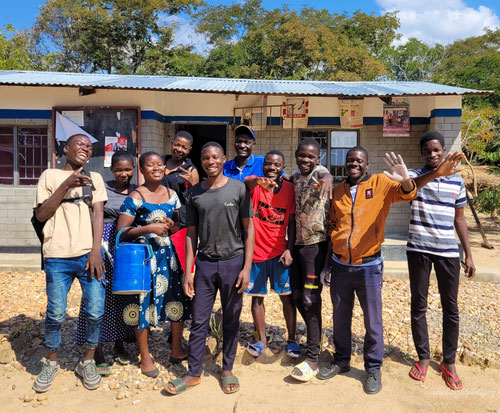
One of the beneficiaries, Martha Goliati, 19, from Salima said she was full of praise for kalumpha hinting that she is excited but at the same time energised by the mentorship.
Said Goliati: “We want to be part of decisions that affect our future. Mr. Kalumpha’s message reminds us that silence is costly.”
A young entrepreneur, from Mangochi, Mustafa Ali said: “Training and mentorship would help us turn small ideas into businesses that employ others and reduce poverty.”
Kalumpha plans to begin grassroots engagement in the lake districts, working with local leaders to pilot programmes that address child labour, early marriage and the economic vulnerabilities that drive them.
Lyton Mhone, a local NGO coordinator, Nkhatabay: “Traditional leaders are gatekeepers. When they speak against child labour and early marriage, communities listen.”
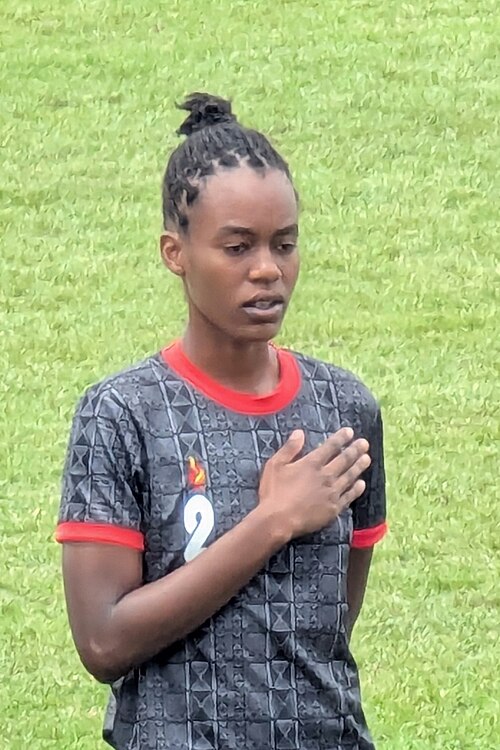
Mhone said the recent Scorchers escapades should be a lesson to the country that when girls are supported correctly, they can do and be more.
He said: “Look at the young ladies playing football in the Scorchers team and how successful they have become through football and yet many people still believe that football is not for girls. Let us support the girls so they can realise their dreams.”
A primary school headteacher in Chiweta, Rumphi, Dorothy Gondwe: “We need scholarships and safe transport for girls. Education alone won’t work if girls cannot safely reach school.”
A growing focus
Youth empowerment in Malawi has been a growing focus for government agencies, NGOs and community groups over the past two decades.
Young people — who make up a large proportion of Malawi’s population — face high unemployment, limited access to quality education and health services, and social pressures that can push them into early marriage or exploitative work.
Despite progress, challenges remain; funding gaps, uneven geographic coverage (rural and lakeshore communities are often underserved), and cultural practices that can limit girls’ opportunities.
Many practitioners argue that empowering youth requires integrated approaches that combine education, economic opportunity, health services and community engagement.
Whether his UK base will translate into sustained on‑the‑ground presence remains to be seen, but his message is clear: Malawi’s youth must step forward now, armed with education, health and a willingness to participate.
“The future, he insists, will not wait,” Kalumpha said.
“I find what this man is doing to the community as very important and profitable to the nation.”
Senior Chief Mphonde
Traditional Authority Nkhotakota District