


Oxfam in Malawi, an international humanitarian charitable organisation, which fights for a better life for all, has called for restructuring of the country’s social protection programmes to have an exit strategy in view of the economic distress and shocks the country continues to face.
The call comes at a time the country’s social protection programmes face sustainability concerns as globally, key donors continue to reduce aid as they adapt to new demands.
Malawi, a southeast African nation and a former British colony, is one of the poorest countries in the world, ranked 153 of 169 countries (Human Development Index/UN 2010), with a population of over 13 million (2008 Census), and a per capita income of $911.
Malawi remains a donor dependant country. Over half of its population still live below the poverty line – earning less than $1 per day
Speaking in an interview on Friday, Oxfam in Malawi country director Lingalireni Mihowa observed that restructuring the social protection programmes to move from just consumption could be key.
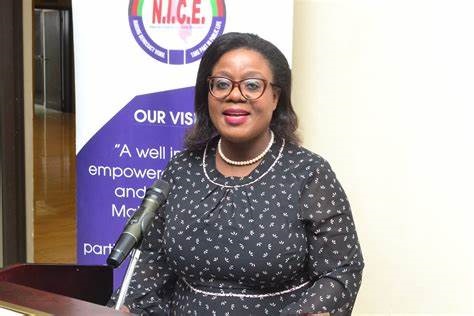
Mihowa said: “It is important to protect the most vulnerable and poor, but there is need to design the programmes that have exit strategies, have sustainability pathways and those that are linked to production and stimulating local economies, not just consumption.
“There is need to limit consumption to marginalised groups who cannot offer labour for cash such as the elderly and children.”
Ministry of Finance and Economic Affairs data shows that on average, Malawi Government has been contributing five percent to the funding of the Social Cash Transfer Programme (SCTP) since 2016/17 fiscal year, with 36 percent of resources coming from the World Bank, 27 percent from Germany, 23 percent from the European Union (EU), seven percent from Irish Aid and one percent technical support from United Nations’ Children Fund.
At the same time, government’s contribution to the programme covers only one district, with the other 27 districts funded through donor support.
The SCTP Scheme
The Government of Malawi’s Social Cash Transfer Programme (SCTP) scheme is an unconditional transfer targeted to rural ultra-poor and labor-constrained households operated by the Ministry of Gender, Community Development and Social Welfare (MoGCDSW) with policy oversight and guidance provided by the Ministry of Economic Planning and Development (MoEPD) and UNICEF Malawi.
The programme began as a pilot in 2006 in Mchinji District and was subsequently expanded to an additional eight districts in 2009 (Balaka, Likoma, Chitipa, Salima, Machinga, Phalombe and Mangochi). As of August 2020, the program reached approximately 283,000 households and 1,195,000 individuals, or 7 percent of the total population.
The main objectives of the SCTP are to reduce poverty and hunger, and to improve children’s human development. Transfer amounts vary by household size and number of school-aged children, and averaged MK 6400 per household per month (approximately US$8).
The specific benefit structure as of August 2020 was: MK2600, MK 3300, MK 4400 and MK5600 for households of size one, two three and four or more respectively. An additional bonus of MK 800 and MK 1500 was provided to household members of school going age
Centre for Social Concern economic governance officer Agness Nyirongo said government funding is not enough to shield the programme from external financial shocks.
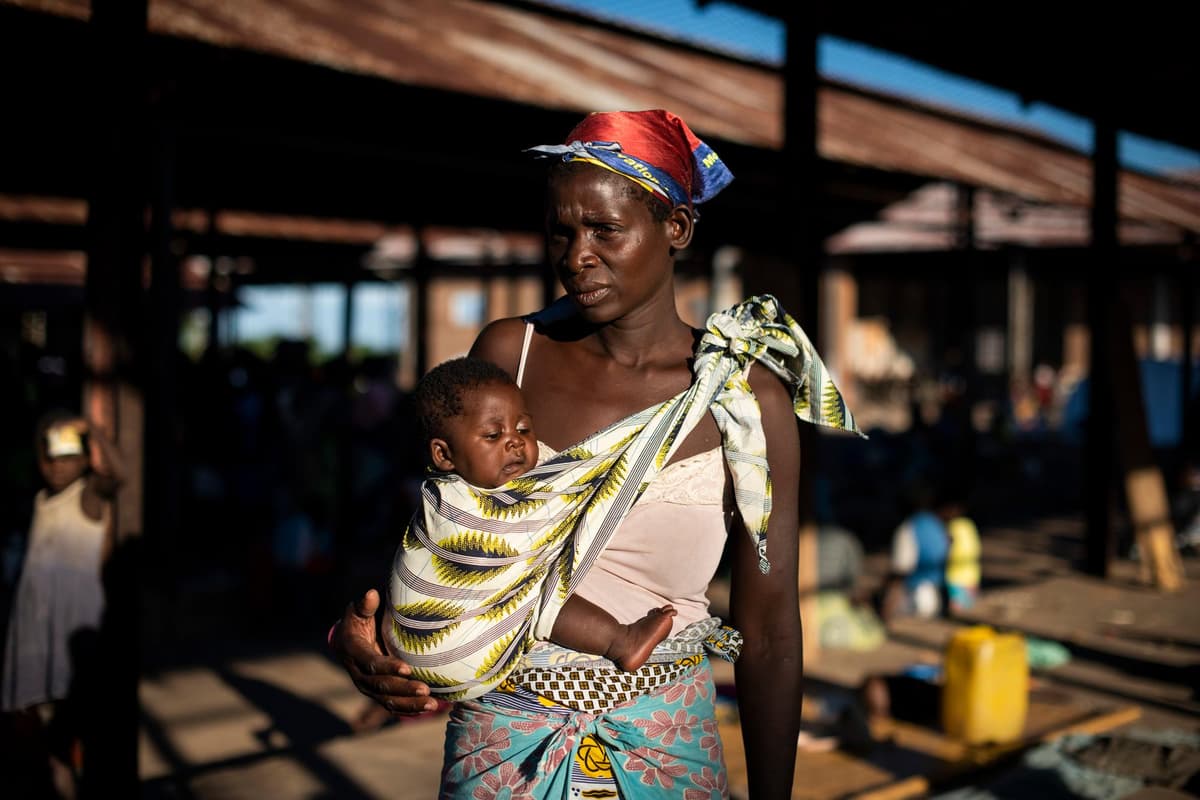
“While the financing arrangement has allowed the programme to scale up rapidly, it also exposes it to serious risks, especially now that foreign aid to Malawi and many other low-income countries is becoming increasingly uncertain,” he said.
Cassim said macroeconomic instability reduces the real value of the cash transfers, undermining its effectiveness.
“Without clear pathways for economically active households to move out of the programme, there is a risk of long-term dependency,” he said.
Meanwhile, Ministry of Gender, Community Development and Social Welfare, which coordinates the implementation of Social Cash Transfer Programme, hopes to increase the coverage for the programme to 15 percent between 2022 and 2027 as outlined in the strategic plan.
Implementation of the five-year plan will require both increased overall funding and an increased proportional contribution from government to ensure ownership and sustainability.
Oxfam has worked in Malawi for over 20 years and strives to thrive on helping create a Malawi where Malawian women, men, girls and boys are more equal, have improved livelihoods and, as active citizens, have greater influence over the decisions that affect their lives.
“It is important to protect the most vulnerable and poor.”
Lingalireni Mihowa
Oxfam in Malawi country director